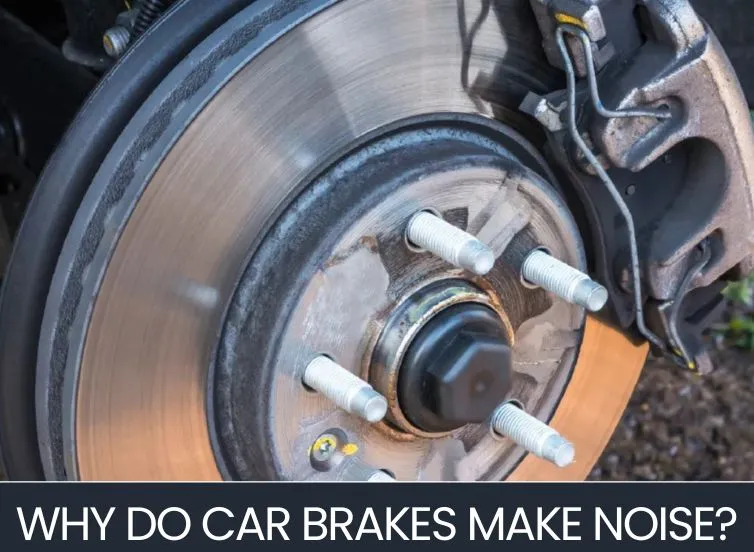
Brake noise is a common issue for many Dubai drivers because of the hot weather, sandy roads, and daily stop-and-go traffic. These conditions put extra stress on the braking system, often leading to squeaking, grinding, or other unusual sounds.
While not all brake noises signal a major problem, they should never be ignored. In this article, we’ll explain the most common causes of brake noise and share simple ways to fix them, so you can keep your car safe and avoid costly repairs.
Common Types of Brake Noises & What They Mean
Squeaking or Squealing Sounds
Squeaking usually happens when brake pads start wearing down or when dust builds up on the surface. In Dubai’s sandy environment, this is very common and often means it’s time for a quick cleaning or pad check.
Grinding Noise
A grinding sound is a serious warning sign that your brake pads are completely worn out. This means metal is rubbing against metal, which can damage your rotors and should be fixed immediately.
Clicking or Rattling
If you hear a clicking or rattling sound, it often means some brake hardware like clips or springs has become loose. These small parts keep the brake pads in place, so when they move, the noise becomes noticeable.
Scraping Noise While Driving
A scraping sound while driving usually means a small stone or debris is stuck between the rotor and backing plate. It’s common on sandy roads and often clears up after removing the debris.
Hissing or Air-Like Noise
A hissing noise, especially when pressing the brake pedal, can signal a vacuum leak or an issue with the brake booster. This affects braking performance and needs immediate attention from a mechanic.
Common Causes of Brake Noise Explained
Worn-Out Brake Pads
When brake pads become too thin, they can no longer cushion the metal parts, causing squeaking or grinding sounds. This is the most common reason for brake noise and should be fixed quickly to avoid rotor damage.
Damaged or Warped Brake Rotors
Rotors can warp due to excessive heat, heavy braking, or poor-quality material. When this happens, you may hear vibrations or scraping noises every time you press the brake pedal.
Lack of Lubrication on Brake Components
Certain brake parts, like caliper slides and clips, need proper lubrication to move smoothly. When they dry out, they create friction and noise, making the brakes feel rough or uneven.
Poor-Quality or Low-Grade Brake Pads
Cheap brake pads often contain hard metals that make constant squeaking sounds. They also wear out faster, creating more dust and increasing the chances of brake noise over time.
Dirty or Dusty Brake Components
Dust, sand, and dirt can build up around the brake system, especially in Dubai’s climate. This debris causes squeaking or scraping sounds and should be cleaned regularly to keep the brakes quiet.
Faulty Brake Caliper
A sticking or damaged brake caliper can cause continuous rubbing against the rotor. This often leads to a burning smell, uneven braking, and loud squealing or grinding noises.
How to Fix Brake Noise (Step-by-Step Solutions)
Clean the Brake Components
Brake dust and dirt often cause squeaking or scraping noises. Cleaning the pads, rotors, and surrounding parts can remove debris and restore quiet braking.
Replace Worn Brake Pads
If your brake pads are too thin or damaged, replacing them is the best solution. Using high-quality pads, like ceramic ones, can reduce noise and last longer.
Resurface or Replace Brake Rotors
Warped or damaged rotors create vibrations and grinding sounds. Depending on the damage, you can either have them resurfaced or fully replaced for smooth braking.
Lubricate Key Brake Points
Caliper slides, clips, and other moving parts need proper lubrication. Applying brake grease reduces friction and prevents rattling or squeaking noises.
Tighten or Replace Loose Hardware
Loose clips, springs, or bolts can cause rattling or clicking. Ensuring all hardware is secure can eliminate unnecessary brake noise.
Remove Stones/Debris from Rotors
Small stones or debris can get stuck between the rotor and brake pad. Carefully removing these items stops scraping sounds and prevents rotor damage.
Fix Brake Booster or Vacuum Leak
A hissing noise may indicate a vacuum leak or a faulty brake booster. This issue affects braking performance and should be repaired by a professional mechanic.
When Should You Visit a Mechanic?
If your brakes are making grinding noises, producing a burning smell, or the pedal feels soft or unresponsive, it’s time to get them checked. Ignoring these warning signs can lead to serious damage and compromise your safety on the road.
Visiting a trusted auto engine repair shop can help identify the exact cause of the noise and ensure your brakes are repaired properly. Expert mechanics can fix worn brake parts, keeping your car safe and stopping efficiently every time.
Conclusion
Brake noise is a common issue, but it should never be ignored. By understanding the causes and taking the right steps, such as cleaning components, replacing worn pads, or visiting a trusted mechanic, you can keep your brakes working safely and quietly. Regular maintenance not only prevents costly repairs but also gives you peace of mind every time you drive.